The Healing Power of Music
Musicians On Call has started its first Portland program, bringing music to the bedside of VA patients. Ready to expand, MOC is looking for volunteers to experience the joy of connection. The most pressing need is for volunteer guides who accompany volunteer musicians on their rounds.
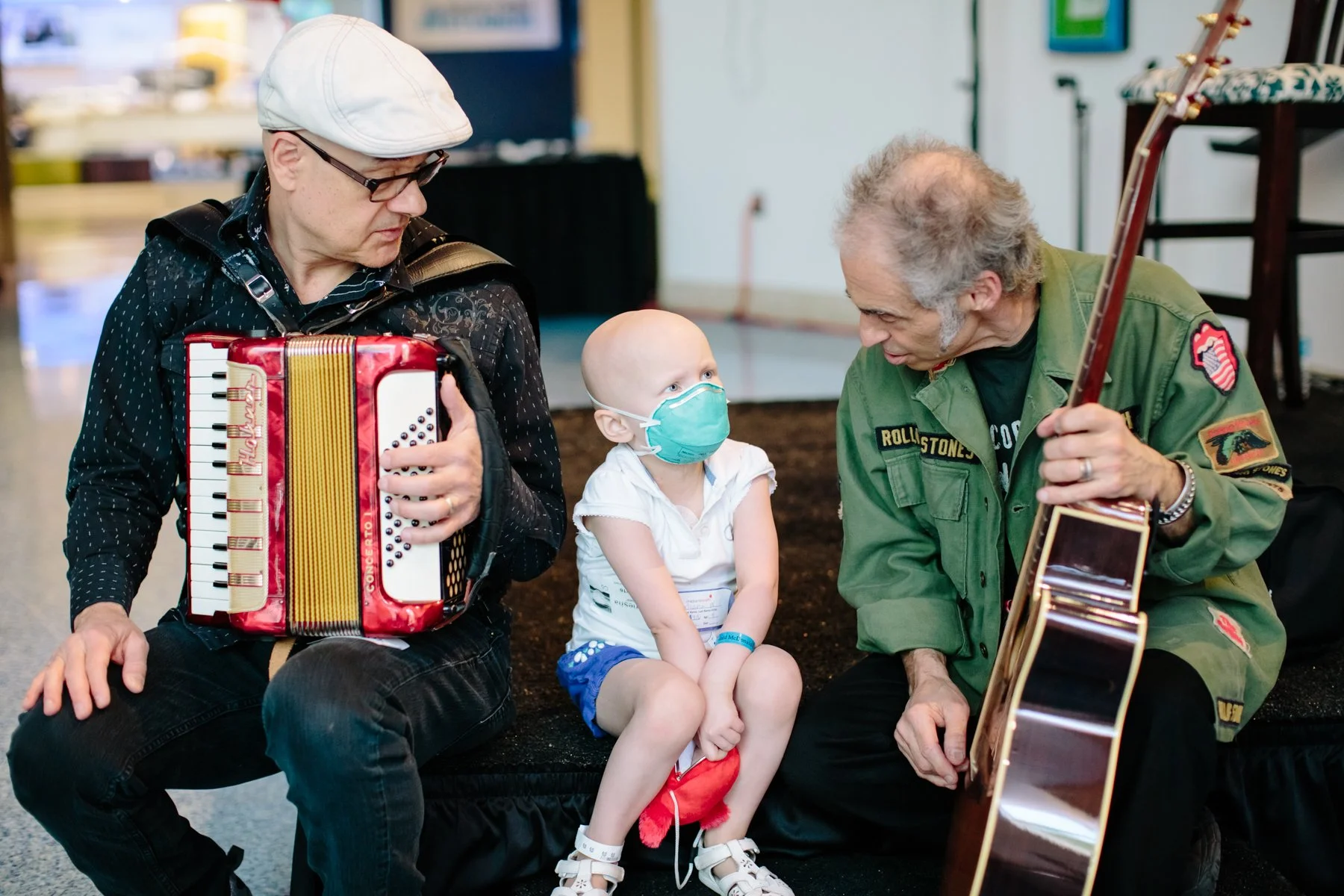
Photo courtesy of Musicians On Call.
By Claire Levine
More than 25 years ago, two close friends lost loved ones to cancer. The idea for Musicians On Call grew out of their grief.
Michael Solomon and the family of Kristen Ann Carr hosted a concert for patients at Memorial Sloan-Kettering Cancer Center, where Kristen had been hospitalized. Vivek J. Tiwary, Michael’s close friend whose mother had recently passed away, attended.
Wynton Marselis performed in a common space to patients who were able to leave their rooms. Michael and Vivek immediately were moved by the listeners’ responses – the smiles, the toe-tapping, the heads nodding to the rhythms.
Drawing on their music industry connections, they organized similar concerts. And they soon realized that the patients who might benefit most from the healing power of music were unable to leave their rooms. And so, Musicians On Call was born.
Since then, MOC volunteers have brought music to more than 1.25 million patients, from Oregon to Florida, from Massachusetts to Southern California
How it works
MOC was founded on something most of us intuitively know to be true: music heals. Research demonstrates this to be measurably true, as well.
Bedside musicians provide more than entertainment. Many patients at the VA Hospital and in other facilities receive no visitors. So, guides and musicians provide cherished interactions in what can be a lonely setting.
MOC is based in Nashville, with program managers assigned to different parts of the country.
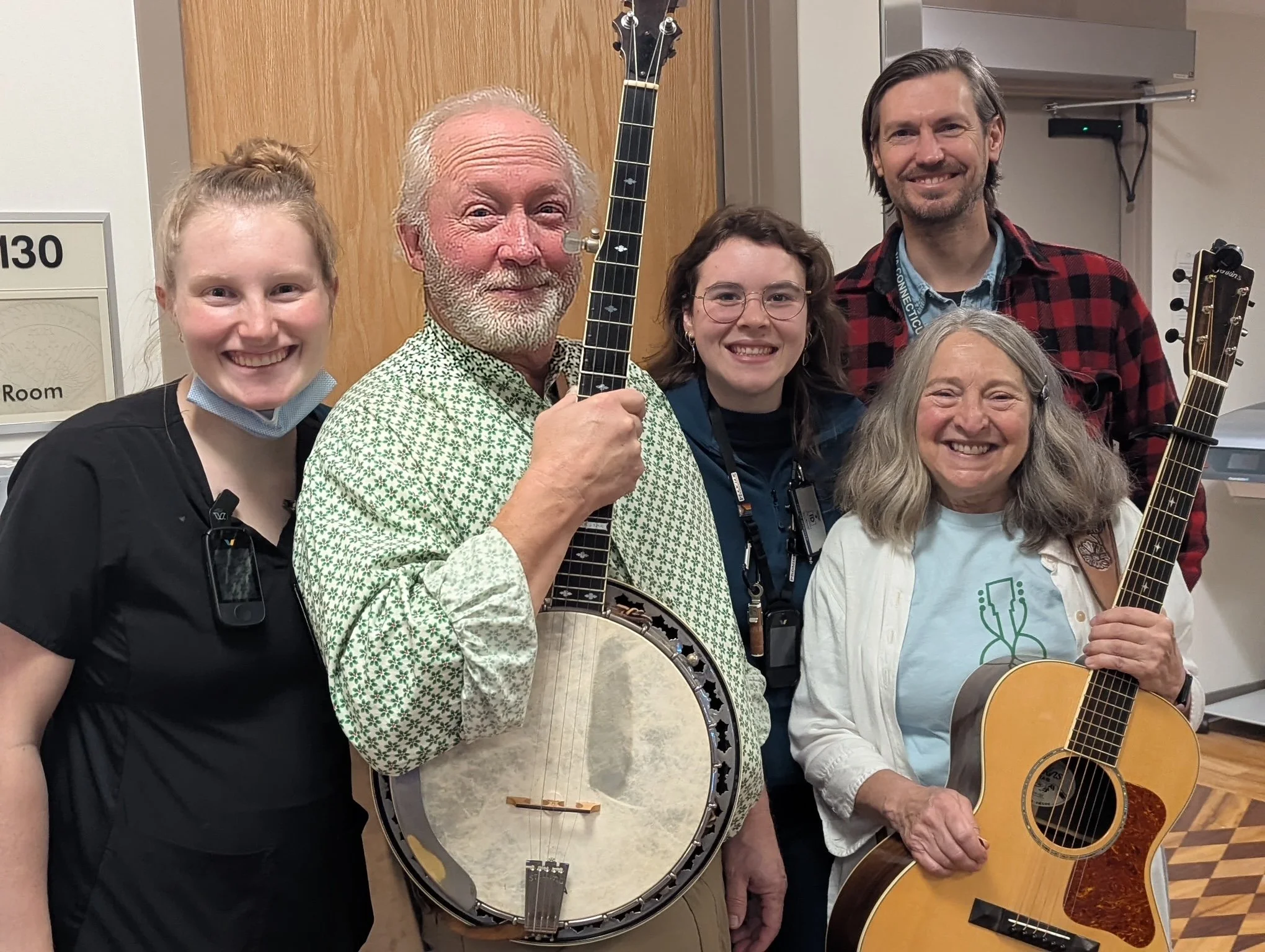
Matt Snook and Claire Levine, MOC volunteers, are always welcomed by VA nursing staff. Photo by Robert Greiff
The organization recruits musicians in different cities who would like to spend one shift a month (about an hour and a half) visiting patients’ rooms. Once invited in, musicians usually perform one song in a room. Musicians range from jazz instrumentalists and singer-songwriters to classical vocalists and string bands.
The guides who accompany and direct musicians through the facility are equally as important as the musicians themselves. Guides check with patients first to see if they would like to hear some music. After receiving a “yes,” they introduce the musicians.
Nashville staff handles all the logistics. Volunteers get to experience the sweetness of connecting with people in need.
(Check out the MOC website to see the amazing array of stars who volunteer, both for fundraising and to play for patients. Oh yeah, Bruce Springsteen was on the original fundraising committee.)
It’s fulfilling, fun – and it means so much
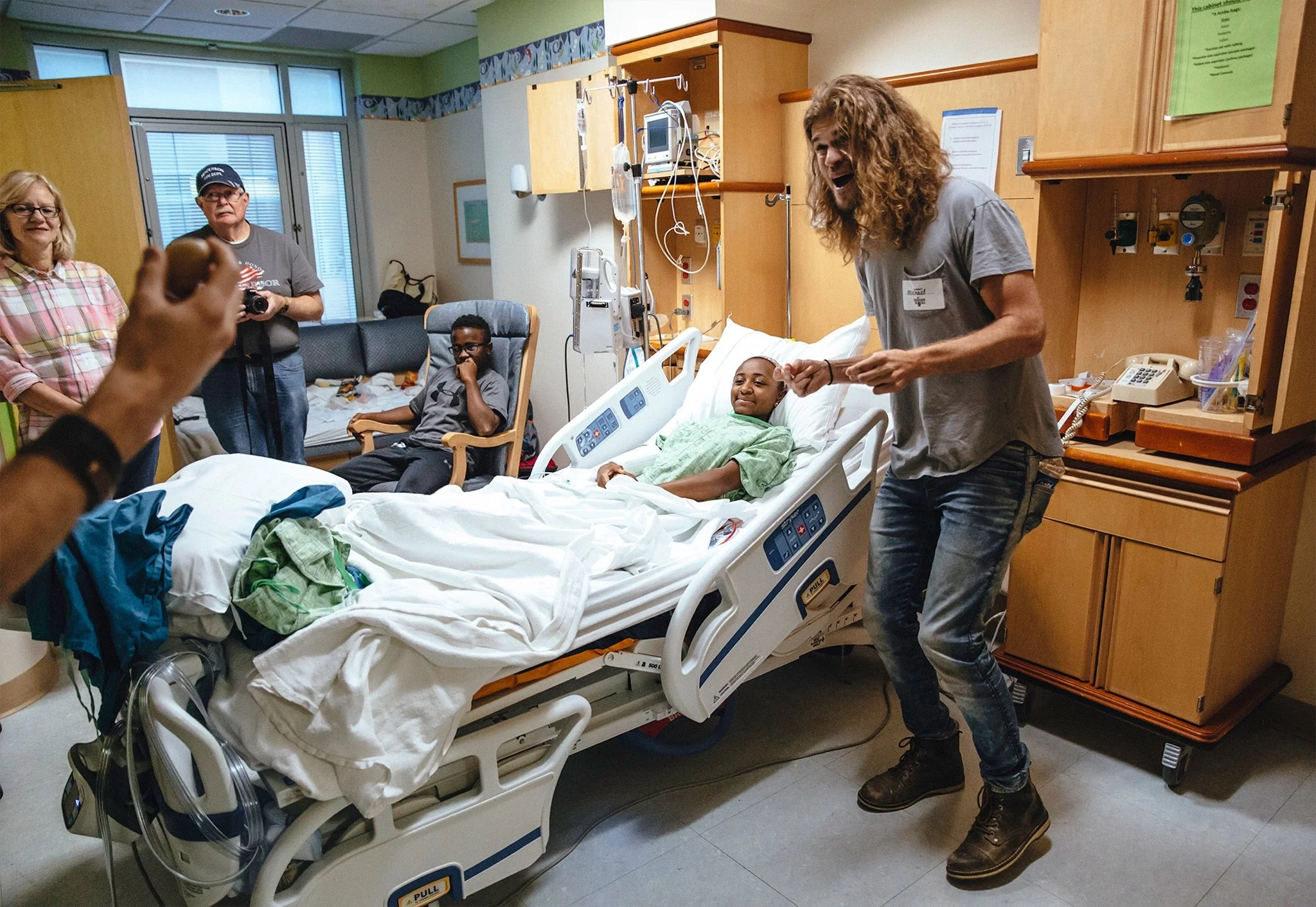
Photo courtesy of Musicians On Call.
Sasha Arnkoff, MOC’s West Coast program manager, said, “MOC changed my life.”
Sasha was a Nashville musician who performed with musicians like Clint Black and Sister Hazel when she started volunteering in 2013.
“My first volunteer shift in a critical care ward changed my perspective on everything. I have played big shows with big people and large audiences, and the impact just isn’t the same as playing in a hospital room.”
She said the benefits of performing in any medical setting are truly valuable, as she had played in lower-intensity health care settings. “But being with the patients and families who need it most moved me so much that I knew I wanted to work for MOC.”
As a volunteer, “There are so many ways to connect with people on different levels, especially people who have lost loved ones and have lived through so much, those who have survived or may be struggling to survive and are still doing their best . . .
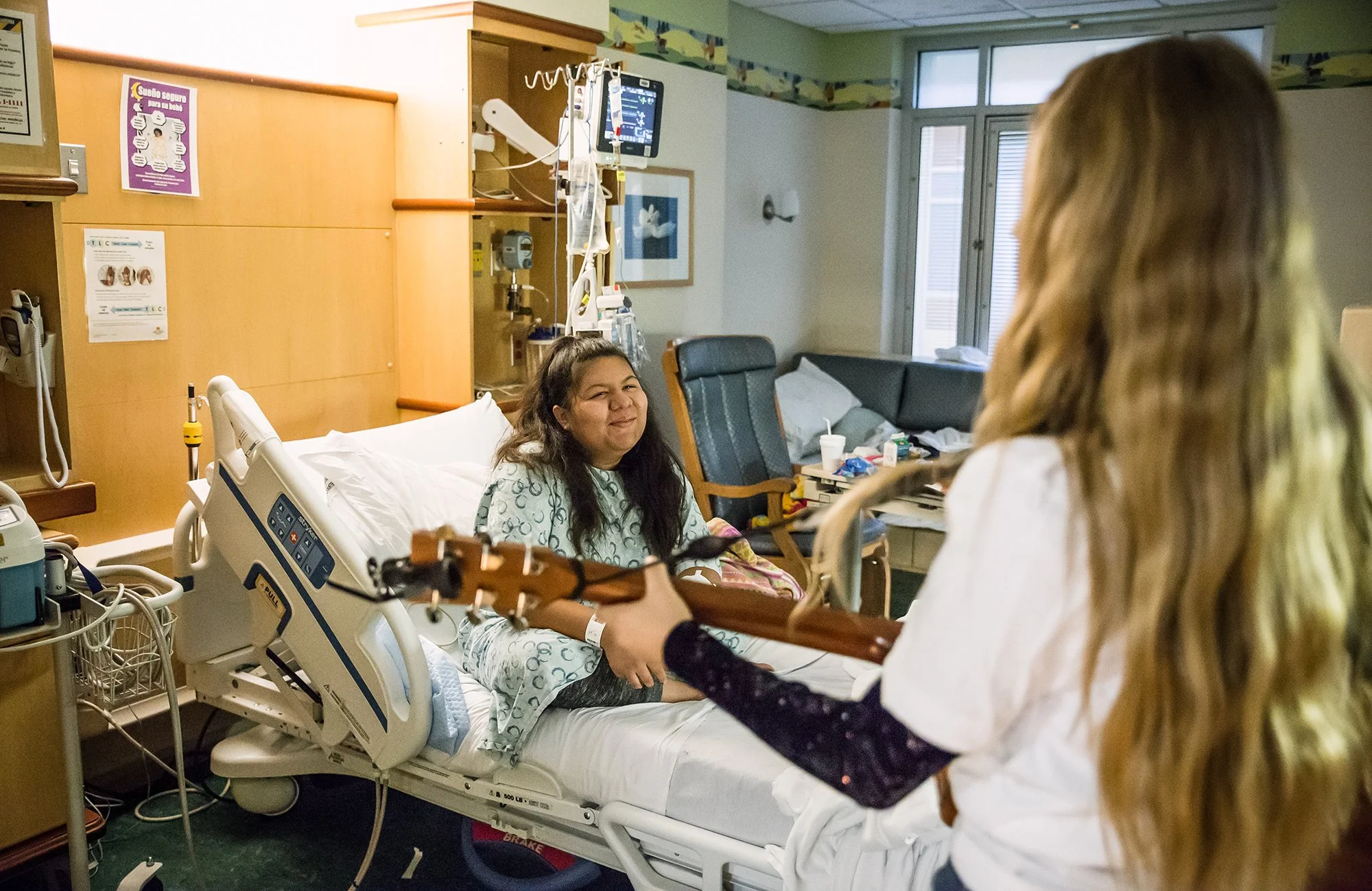
Photo courtesy of Musicians On Call.
“Every visit is different. You don’t know what you’re going to experience, but you’re always in the right place at the right time.”
It took Sasha years to be hired at MOC as the executive assistant to the CEO, and another two years until she became a program manager, “where I belong,” Sasha said.
Healing Music in Portland
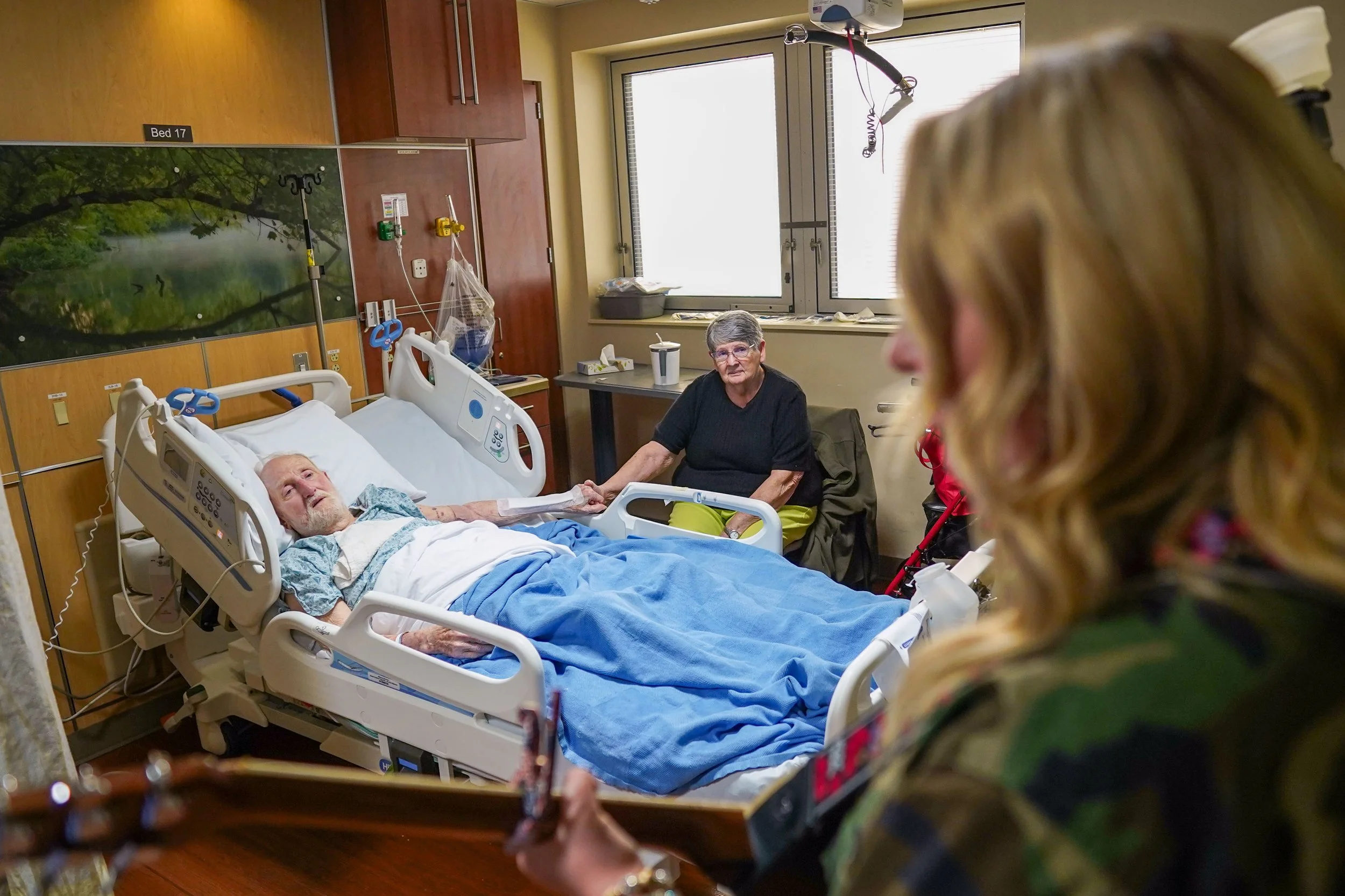
Photo courtesy of Musicians On Call.
Portland area resident Matt Popma coordinated with the Nashville office to bring MOC to town, and particularly to the Veterans Administration hospital.
By 2025, Sasha had recruited performers and guides, and veterans are now hearing live music in their rooms. The limiting factor to scheduling more visits is finding enough volunteer guides to accompany all the musicians who are ready to play.
What volunteers can expect
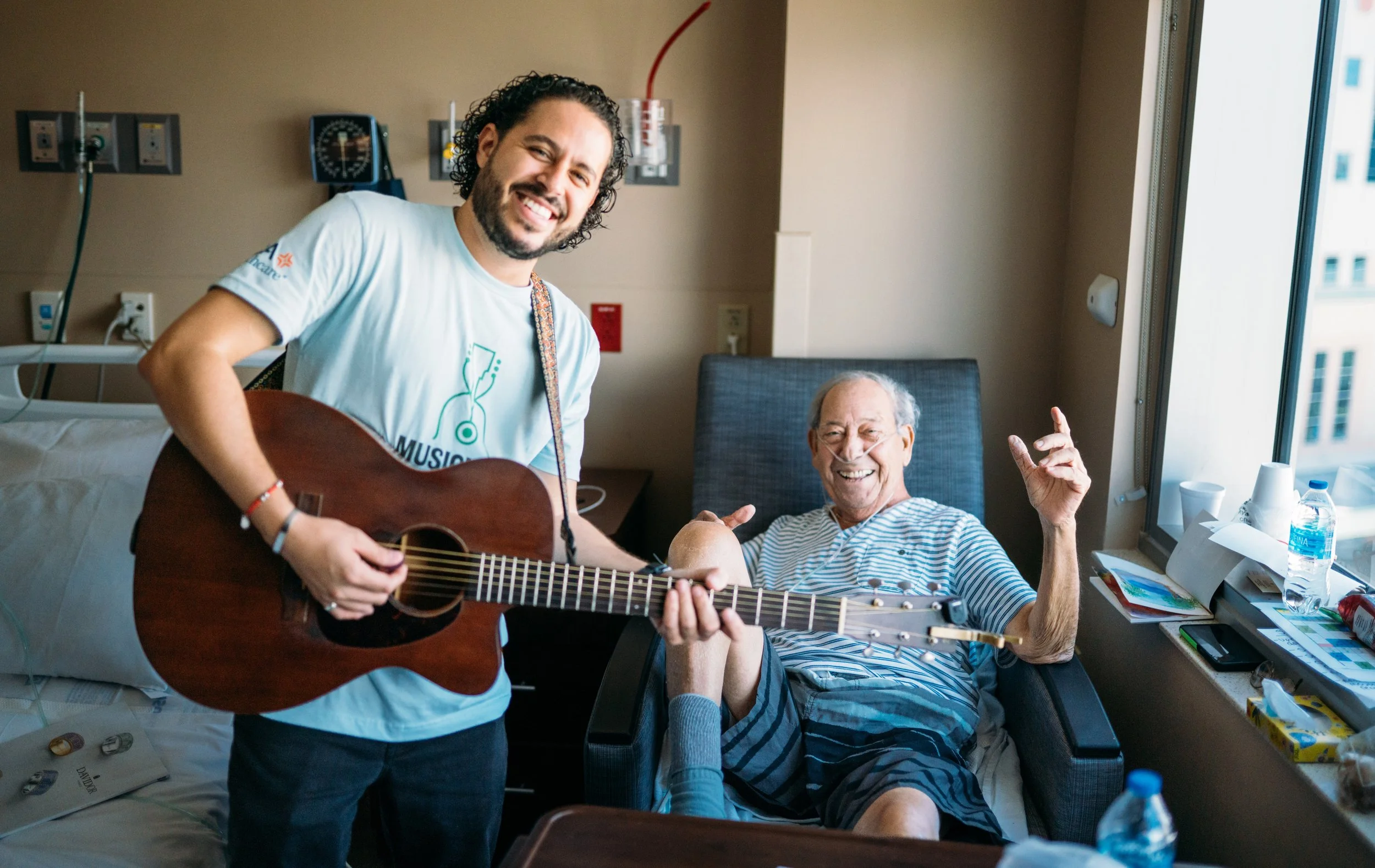
Photo courtesy of MOC
MOC operates in the full range of medical facilities – from pediatric cancer units to behavioral health centers to full-service hospitals to palliative care wards. So, the organization adheres to protocols to make sure patients’ comfort and privacy are honored.
The Nashville team screens prospective volunteers, who then receive on-line training about the protection and confidentiality of vulnerable patients. Volunteer guides also go through hospital-specific training.
MOC is big on volunteer appreciation – from in-person visits by Nashville staff to an annual on-line open mic, in which volunteers perform for others across the country.
But the volunteers find that the greetings they get from bedside visits provide more than enough appreciation.
Rober Greiff has been guiding musicians through the VA halls for about a year – and he loves the opportunity to observe music’s healing power.. He talks about entering a room in which the patient seems in low spirits and low energy – and how that changes when the music starts.
“You can see it in their faces. You can see it in the way they respond to music. They are engaged and connected – and seeing that moment really does it for me.”
Robert hopes to bring his own music to bedsides in the future. But in the meantime, he appreciates how valuable his role of guide is. Without guides, there’s no program. So he’s happy to escort, to listen, to observe and make those amazing connections with patients and hospital staff.
The view from Nashville

Sasha absolutely loves Portland. Her office mates laugh, “because I’m very passionate about it, and I’m always talking about how wonderful it is.
“I love the fact that we were able to go through an entire visit without eating at a restaurant chain. We loved all the mom and pop local stores. The world needs more of that.” (Portland volunteers made sure they visited Music Millennium. Of course, they already knew about Powells.)
And, Sasha said, “You all have some of the most talented and creative people, and that also makes the Portland program special.”
She’s preparing to formalize a relationship with another facility serving a different demographic. And she’s looking for other ways to expand the program, such as possibly starting songwriting sessions with veterans.
While MOC has national standards and requirements, Sasha believes in making every program unique and aligned with the community it’s in. In fact, the word community comes up a lot in her conversation. She’s excited about connecting with others in Portland, especially nonprofits like The Jeremy Wilson Foundation.
Interested?
Sasha is eager to schedule more shifts at the VA and prepare for a program at a second facility.
Right now, guides are in short supply. Whether or not you are a musician, you are invited to become a guide and enjoy the one-on-one connection of bedside visits.
And if you would like to go room to room, singing or playing to patients, please sign up! As the program expands, so will the opportunity for more musicians.
At a time when we’re all looking at healing – healing the rifts in our world, healing the challenges in our health care system and healing each other’s hearts – MOC offers a way to provide and experience that healing in a most personal and delicious way.