Norm Eder’s stunning visual images support music and The JWF
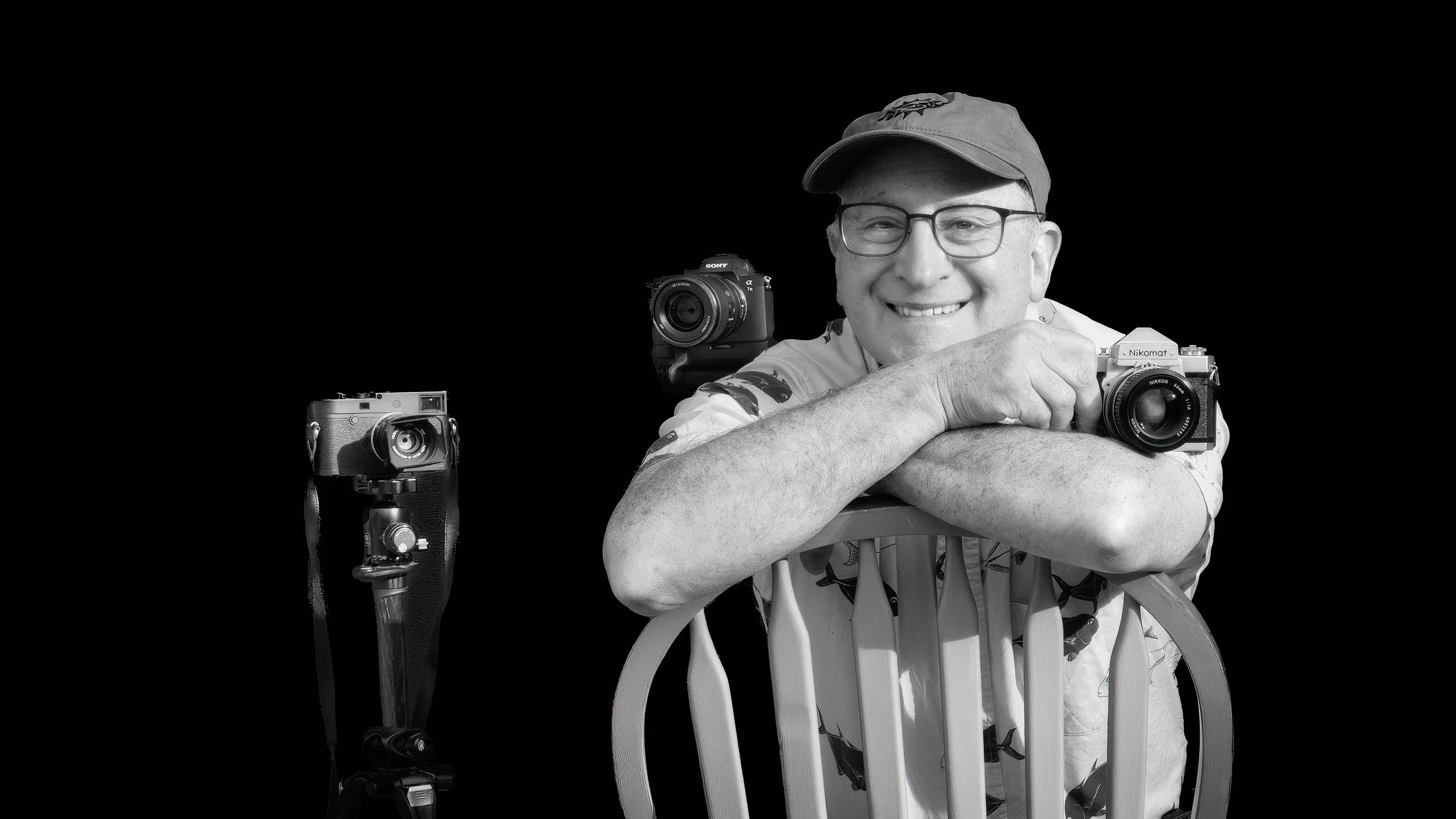
Norm Eder photogaphed by Joe Cantrell
How did a history Ph.D. who spent his career advocating on issues of public importance become one of our community’s favorite photographers – and expand the community that benefit from The JWF’s service?
By Claire Levine
Norm Eder is a life-long Portlander and one of the busiest photographers around. The path that led Norm to his present was shaped more by coincidence than a plan.
Having earned a doctorate in history at the University of Illinois at Chicago, he returned to Oregon in 1980 with a young family and the goal of starting a life outside the academic world.
Decades later, he is still here, having been involved with many of the institutions and issues that have influenced the Portland metropolitan area over these many years.
Norm’s entrée into public policy was at Multnomah County, where he was hired by County Executive Don Clark. Don had transformed the county’s indigent health care programs, and Norm’s job was to write about the effort.
Norm moved to the Oregon Graduate Center (later Oregon Graduate Institute) in 1983, where he learned fund-raising to support scientific research. He also discovered the importance of engaging with the government for funding. This launched Norm’s career as a lobbyist and public affairs professional.
In 1981, Norm began teaching in the social science department at what is now the Pacific Northwest College of Art. This forged a relationship that continued for the next 36 years, alongside his professional work. At PNCA Norm took his first and only studio photography class.
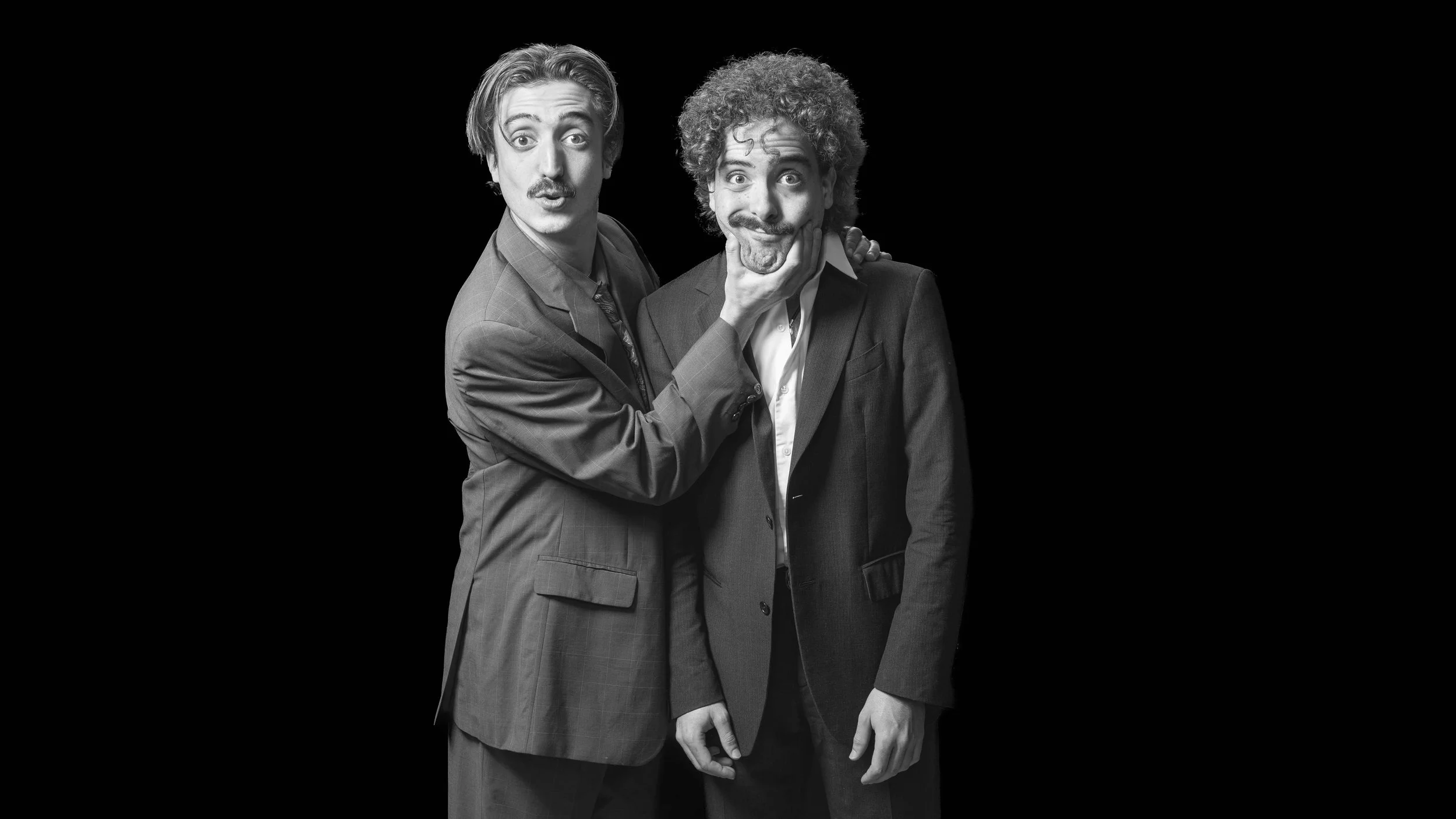
JWF Artist Portrait Project
Johnny Franco and his real Brother Dom by Norm Eder
Norm loves to take photos. And he loves music. And he loves good government. All these things came together one day, leading to his support for The JWF.
Mike Lindberg was a Portland City commissioner in the 80s and 90s, and he remains a great advocate for the arts. At one time, he represented the city with the Oregon Food Bank, which ran the Waterfront Blues Festival.
The commissioner saw Norm taking photos at a blues festival, which Norm did as a hobby. When the two were next together for the purpose of city policy, the commissioner asked Norm to show him some of his photos.
This led to Norm’s close ties with the Waterfront Blues Festival. After 21 years, he remains the festival’s stage photographer.
While spending time with the performers, Norm got to know them and their stories. Eventually, they began inviting him to photograph their other shows.
As Norm thought about his gradual retirement, he knew how he’d use his freed-up time: Photography, and a lot of it.
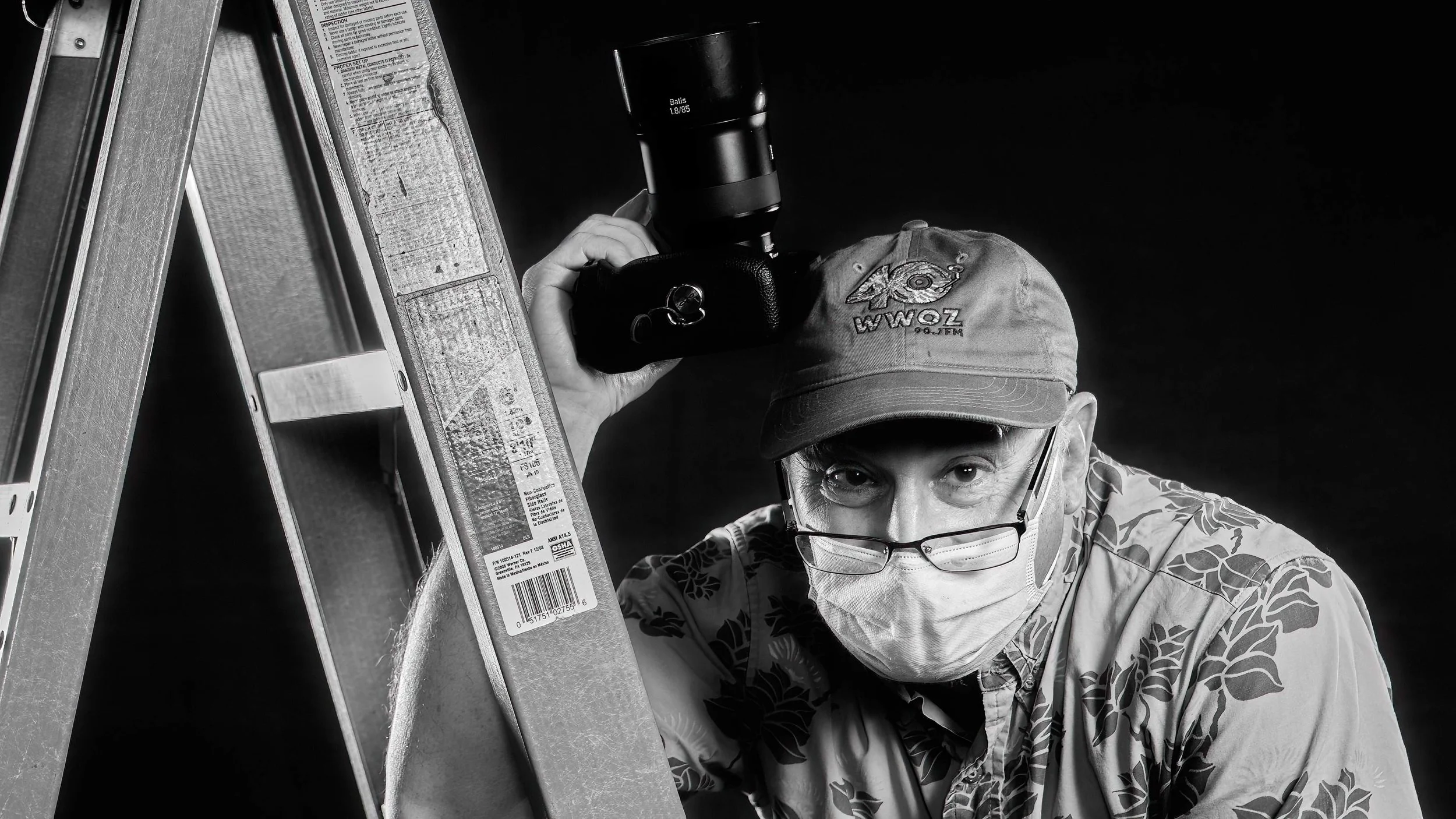
“I knew I needed to professionalize myself, including learning how to do studio photography. I enjoyed the idea that I could control the light, rather than having it all pink and purple.”
Photo by Christina Fuller
During the Covid shut-down, Norm started considering ways to put his photography skills to good use – and to learn more at the same time. He approached Jeremy Wilson and offered to provide high quality studio photos for The JWF website.
The Jeremy Wilson Foundation Artist Portrait Project was born.
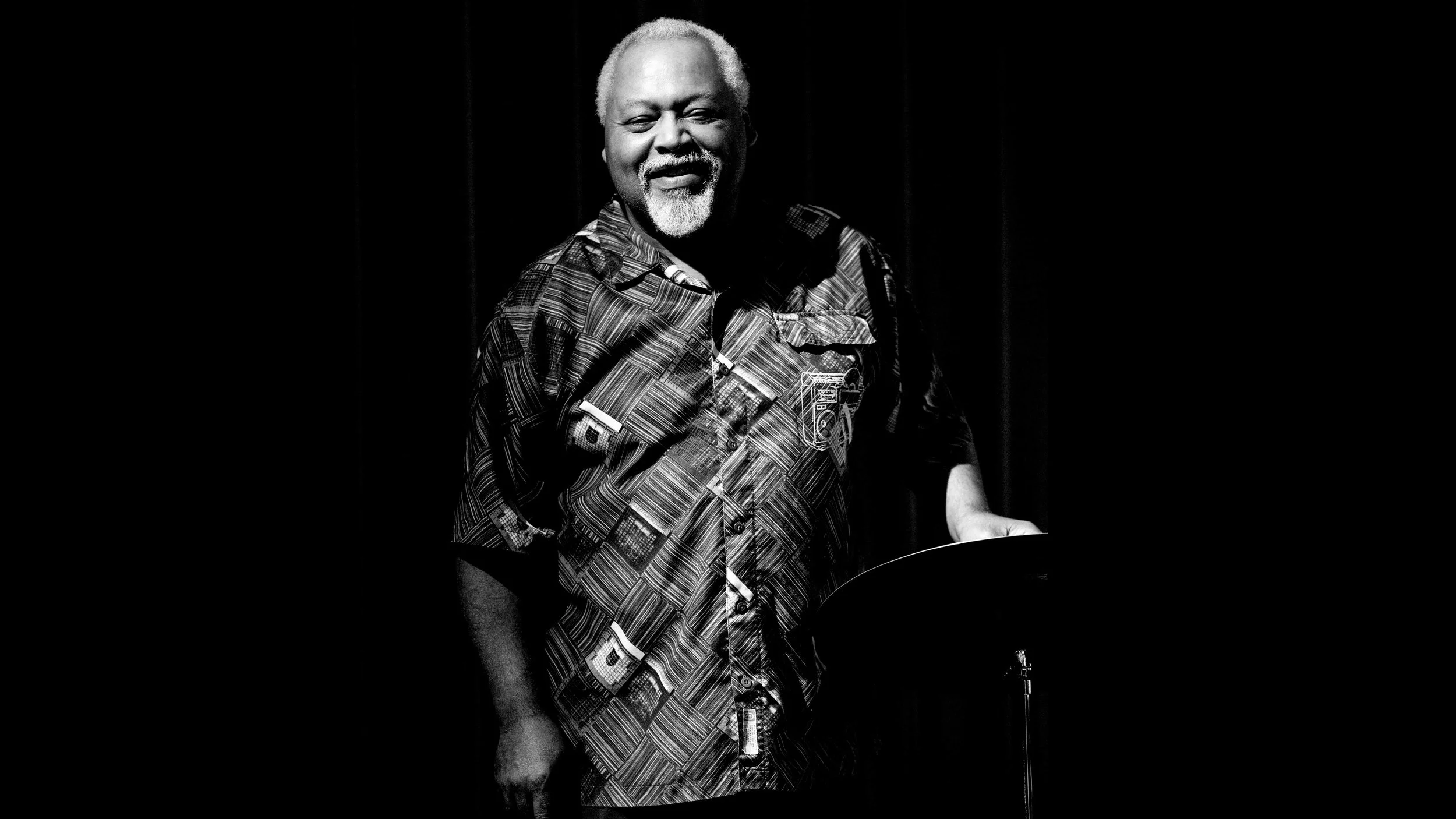
Carlton Jackson by Norm Eder
With the generous support of Pro Photo Supply and an employee, Rob Layman, Norm began taking photos of musicians and others in the music community during the summer of 2020. Pro Photo gave Norm access to its professional studio. Rob gave Norm hands-on lessons about portrait photography.
Working in gloves and masks to protect their subjects and each other, Norm and Rob created photos of 38 local artists through the summer and into the fall. Norm learned how to work with people, putting them at ease, allowing them to be themselves and to dance, laugh, mug and display the character behind the music as he clicked his shutter.
Norm said, “Rob and I quit shooting in October when one weekend every single person canceled because they had COVID.” The end. For a while.
But the result was a stunning collection of black and white images, many of which you can see on the JWF website.

Kendall Lujan by Norm Eder
The photo project resurrected. In February of 2021, Norm returned to the project, through the generosity of friends who had space he could transform into temporary studios. Michelle Bean first loaned him space at the great music venue, Catfish Lou’s, which has since closed, as did Bob Howard, Paul K. Ward and Shelley Garrett of Artichoke Music.
“I cannot tell you how grateful I am to Artichoke. The project would have died without them,” says Norm.
For nearly two years, Norm hauled his equipment back and forth each week. “Eventually my wife said, ‘this and you are crazy. If you're going to keep doing studio photography, why not build a studio?’” Norm said.
They now have a professional studio and a new garage attached to their home.
For the past year, Norm has invited musicians, promoters, sound technicians, and venue owners to his own studio. The JWF has access to the photos, and the musicians receive photos to use in any way they like - all for no charge.
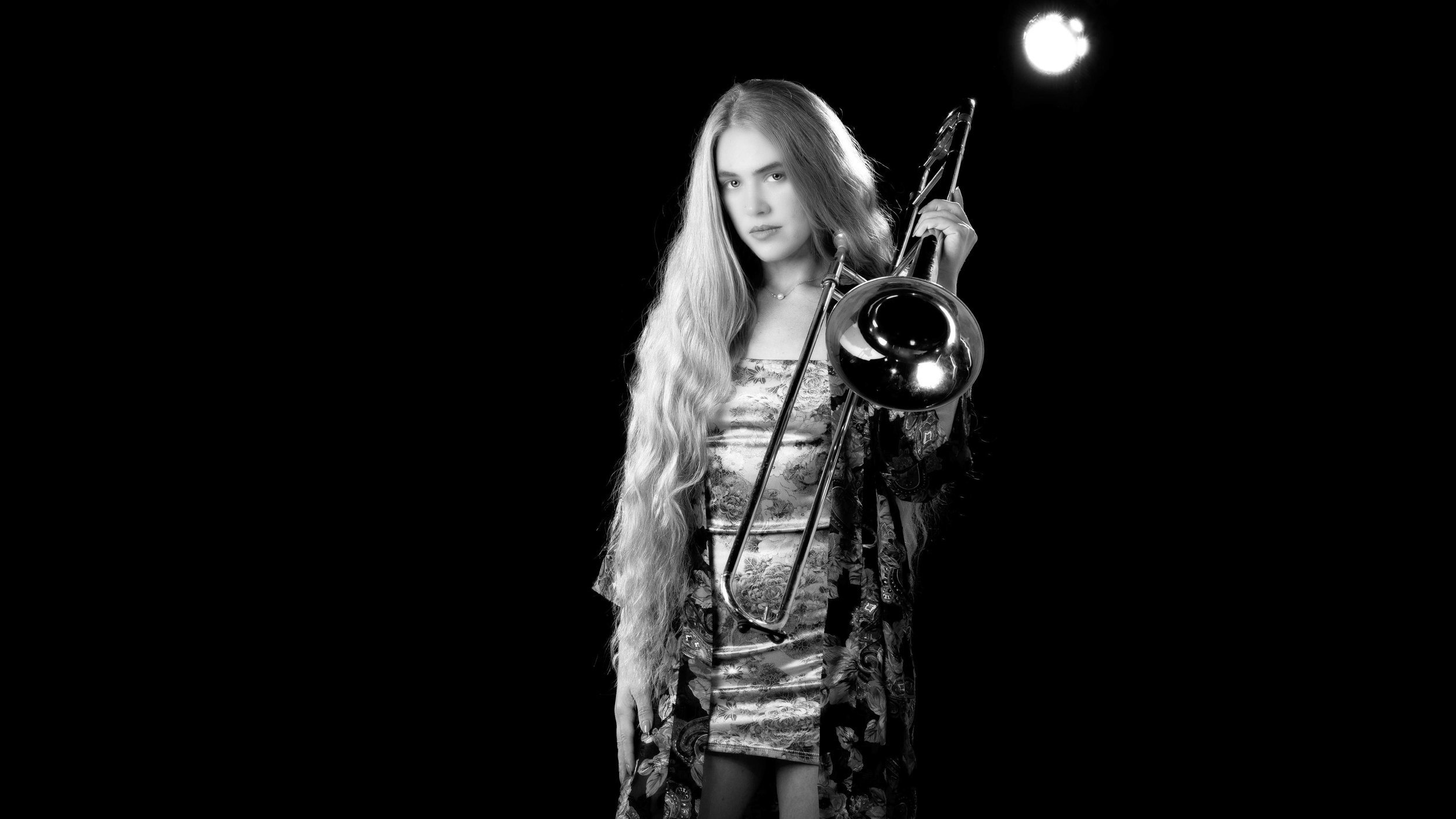
Adrianna Wagner by Norm Eder
As of December 2025, five years after starting, Norm has photographed 400 people (and counting) for the JWF project. “I never planned this, but it has become an important part of my life,” Norm said,’’

Kevin Balmer by Norm Eder
For the musicians. It’s impossible to calculate the number of hours Norm has dedicated to this JWF Artists’ Portrait Project. But he enjoys every minute of the work, and he is grateful to use his talents to support a community that gives so much enjoyment to others.
“Most musicians working professionally don’t have day jobs. Many don’t have decent health insurance. They’re part of the gig economy, which is harder and harder to sustain, especially in the arts.
“JWF’s good works provide an essential service to people who need it, people who are always giving back to the community. Every day that they pick up an instrument or stand in front of a microphone, they’re making people’s lives better and making the community richer. Whether they are R & B artists, opera singers, symphony players or head bangers, it doesn’t matter. They make their audiences' lives and our community more interesting.”
Photography is “my small way of giving back. I feel really good about it, and when someone offers to pay for photos, I suggest they donate to The JWF.”
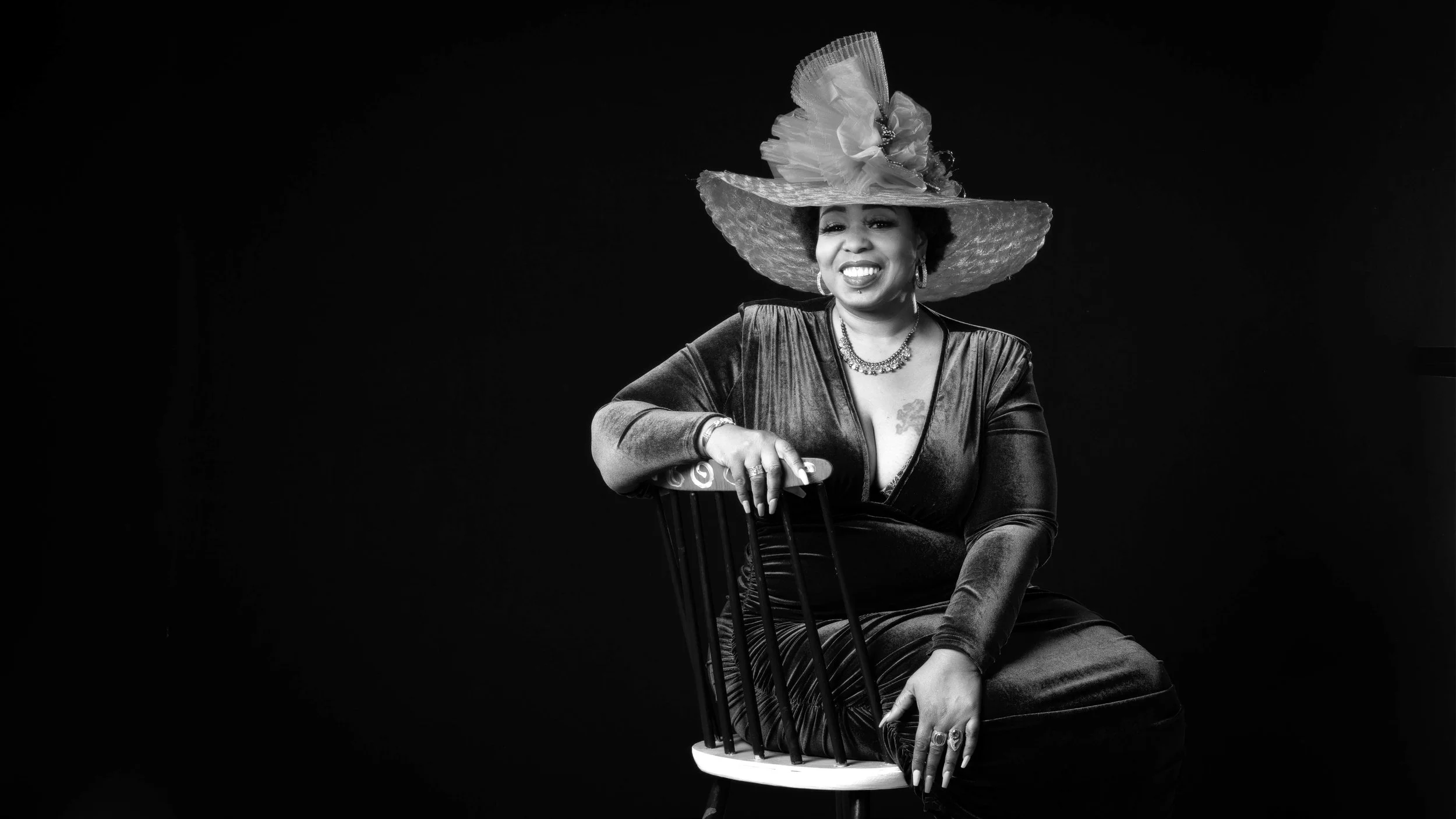
Arietta Ward by Norm Eder
Photography as community building. The board and staff of The JWF see Norm’s work as much more than photos for the website. His contributions have boosted growth in the JWF community tremendously – and expanded the range of people who can be helped.
Jeremy said, “This project is a cornerstone of our outreach strategy. By collaborating with Norm and leveraging his deep connections, we’ve been able to engage artists across genres, cultures, ages, and geographies throughout Oregon.
“In many cases, this first contact through the Portrait Project leads to deeper relationships: learning about JWF’s Musician Health & Services Program, applying for assistance or joining our network of mutual support.
“The portraits are more than art—they are tools for connection,” Jeremy said.
Norm’s thoughts on his photos: “The artists use them, the foundation uses them. I get to become a better photographer, artists have content they need to promote themselves, and I see my work everywhere. That makes me happy.”
You can view Norm’s wonderful work on his website and follow him on Instagram.
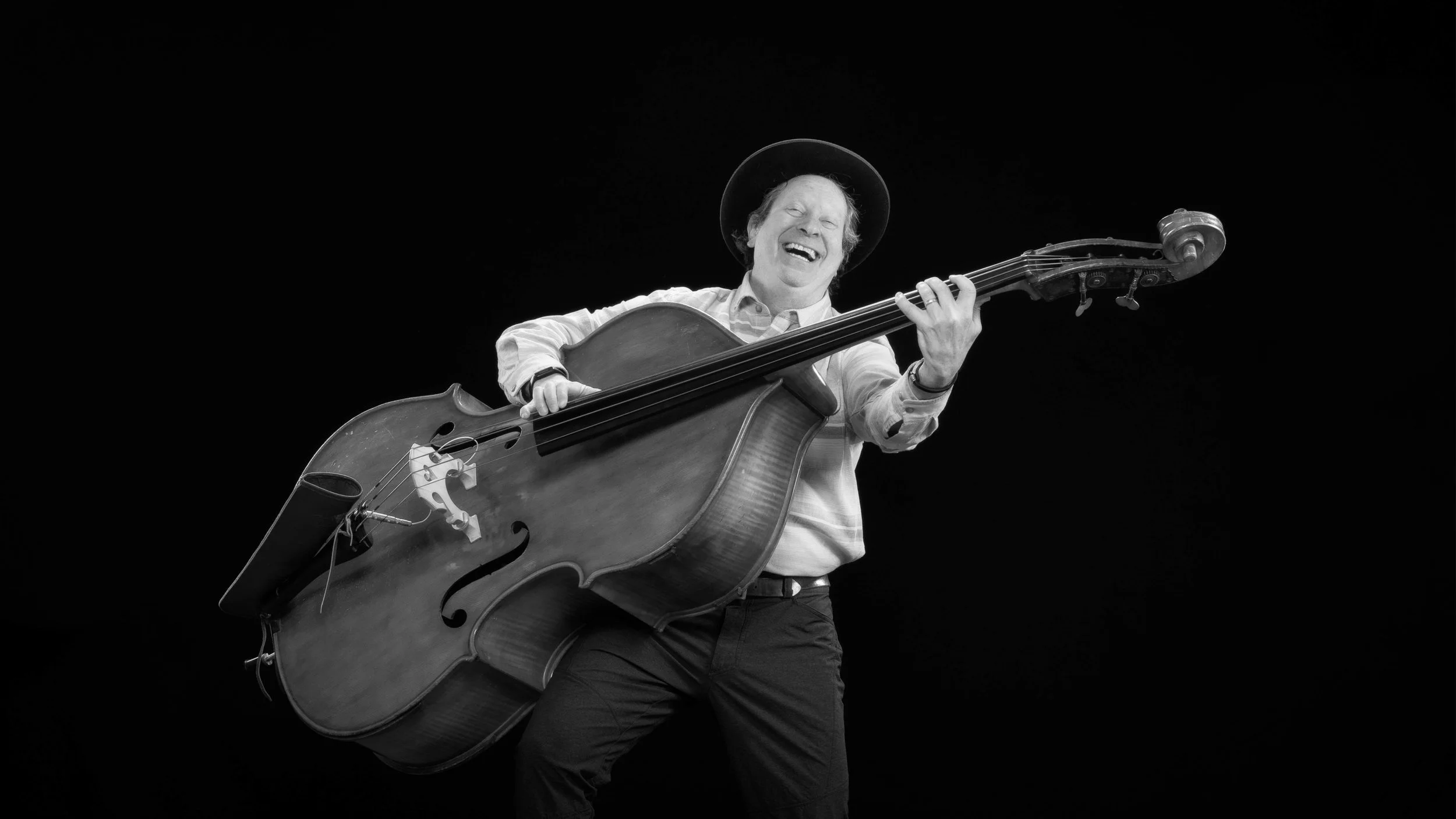
Ben Sandler JWF Artist Portrait Project by Norm Eder